Why Customers Prefer Handmade Products Over Cheap Alternatives
Explore why modern consumers are shifting from mass-produced goods to handmade products—driven by authenticity, quality, emotional connection, and sustainability.
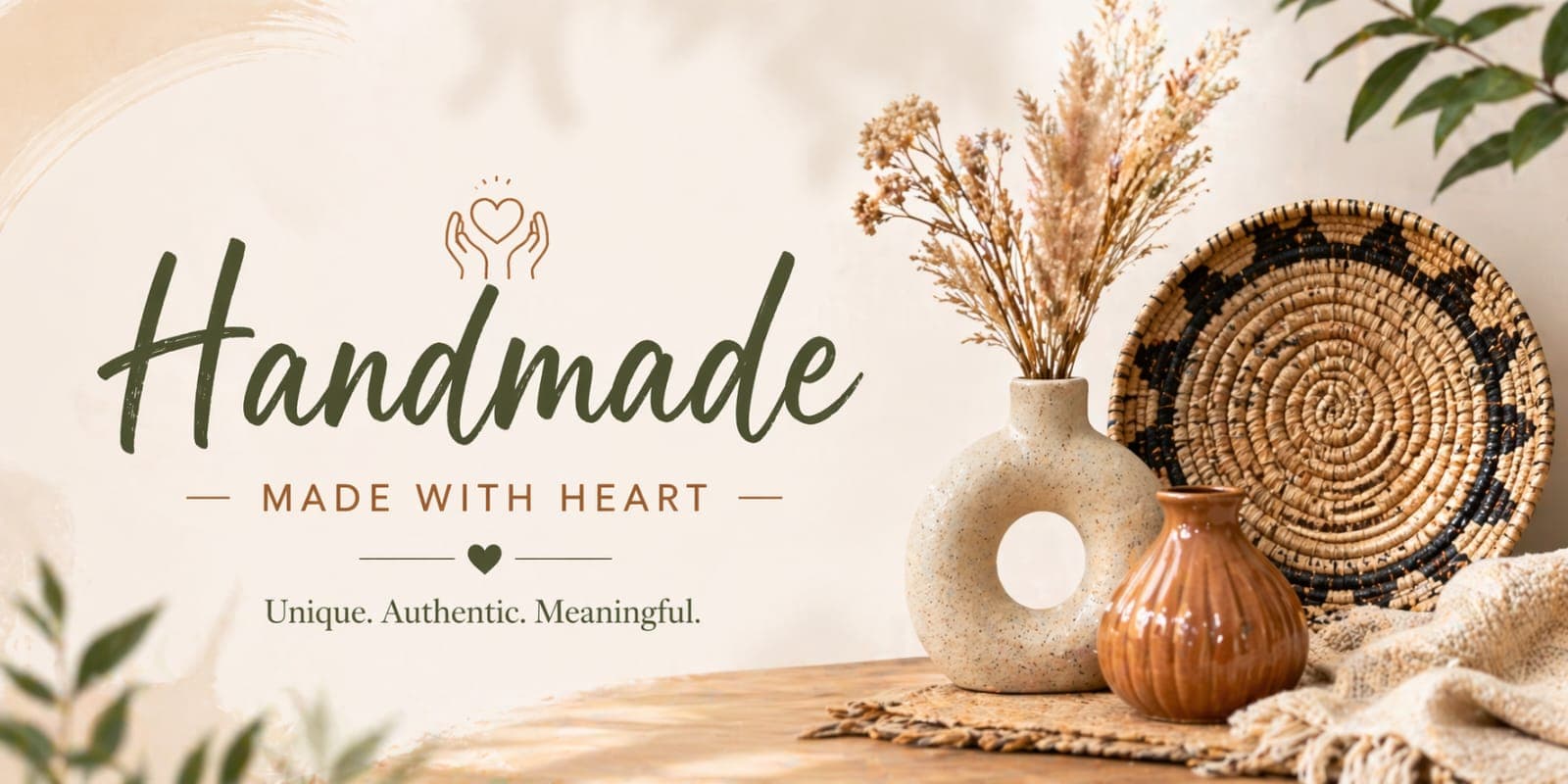
In a world flooded with mass-produced goods, something interesting is happening—customers are slowly shifting back toward handmade products. Cheap, factory-made items are everywhere and easily accessible, yet handmade products continue to grow in popularity. This shift reflects a deeper change in how people think about value, identity, and consumption.
Buying Meaning, Not Just Products
When customers choose handmade over cheap alternatives, they are not just buying a product—they are buying meaning. Handmade items carry a story. Each piece reflects the time, effort, and creativity of a real person. These details signal authenticity and create a deeper emotional connection.
Uniqueness and Identity
Mass-produced goods are identical, but handmade products are rarely the same. Even similar designs have natural variations. This uniqueness gives customers a sense of individuality and allows them to express their personal style in a meaningful way.
Emotional Connection
Handmade products often create a strong emotional bond. Buyers imagine the artisan, the process, and the tradition behind the item. This transforms a simple purchase into a meaningful experience—something cheap alternatives cannot replicate.
Quality and Durability
While factory-made products are built for speed and cost-efficiency, handmade goods focus on quality and craftsmanship. They are often more durable and thoughtfully made, offering better long-term value compared to items that wear out quickly.
Sustainability and Conscious Choices
Modern consumers are becoming more environmentally conscious. Handmade products are typically produced in smaller quantities, often using natural or eco-friendly materials. This makes them a more responsible and sustainable choice.
Trust and Transparency
Buying handmade often means buying directly from artisans or small businesses. This creates transparency and trust. Customers know where their product comes from and who made it—something rarely possible with mass-produced goods.
Value Beyond Price
Today, value is no longer defined by price alone. Customers consider quality, emotional connection, sustainability, and uniqueness. Handmade products may cost more upfront, but they deliver greater overall value.
A Shift in Consumer Mindset
Instead of buying many low-cost items, people are choosing fewer, better products. They are becoming more selective and thoughtful about what they purchase, prioritizing meaning over convenience.
Conclusion
The growing preference for handmade products reflects a deeper human need for connection, authenticity, and quality. Handmade goods bring warmth, meaning, and individuality into everyday life—something mass-produced alternatives simply cannot offer.
Handmade is no longer just a niche—it is a movement redefining how people buy, live, and experience design.